
Heating Advice
The Benefits of Installing a Daxom Electric Boiler Alongside an Air Source Heat Pump
Oct
Last Updated on October 15, 2026 by daxom
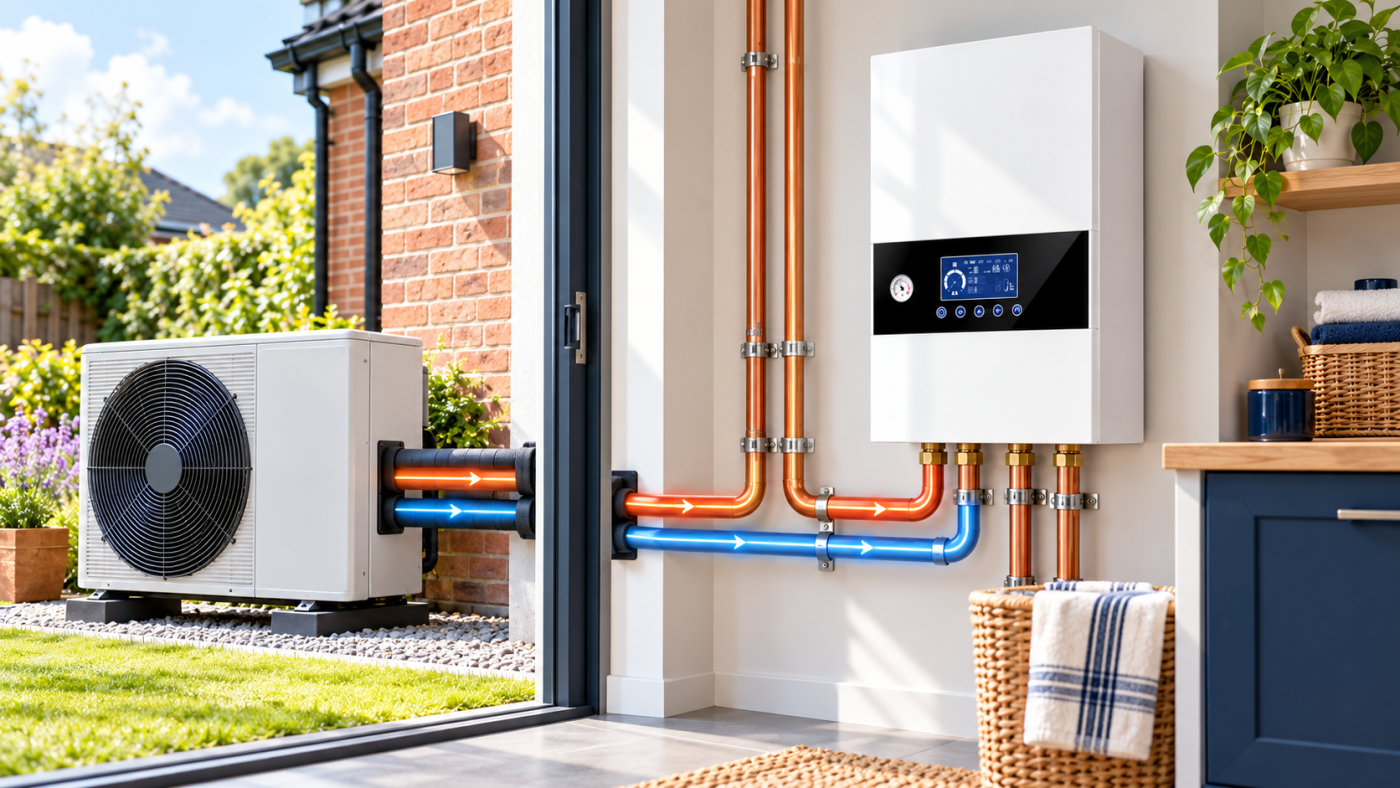
Air source heat pumps are a popular way to heat homes while reducing reliance on fossil fuels. In a suitably designed system, installing a Daxom electric boiler alongside an air source heat pump may offer additional flexibility, heating capacity and backup. Explore the Daxom electric boiler range to understand the available options.
Rather than replacing the heat pump, the electric boiler can serve as a supplementary heat source when required. This is an arrangement to discuss with your installer: the suitability of the specific Daxom model, heat pump and control system must be confirmed before installation.
Why combine an electric boiler with an air source heat pump?
An air source heat pump uses electricity to transfer heat from outside air into the home’s heating system. It can deliver several units of heat for each unit of electricity consumed, making it more efficient than direct electric heating under suitable operating conditions.
Heating demand changes with the weather. Heat pumps can operate in cold temperatures, but their efficiency and available output depend on the model, outdoor temperature and required water temperature.
Where a combined system is appropriate, an electric boiler can provide additional heat under a control strategy agreed by the installer. It should not be assumed that connecting two heat sources will automatically produce an efficient or compatible system.
1. Extra heating capacity when the design calls for it
One potential benefit is the additional capacity provided by an electric boiler. In a property with high heating demand, an installer may assess whether a second heat source has a useful role.
The starting point should always be a proper heat-loss calculation and the heat pump manufacturer’s performance data. Supplementary heating is not a substitute for correct heat pump sizing or compliance with the design requirements that apply to the installation.
This assessment may be relevant to larger homes, older properties or buildings with demanding peak heating requirements. Our property heat loss calculator can provide an initial planning estimate, but a professional assessment is needed for the final system design.
2. Additional support during cold weather
A correctly sized air source heat pump is designed to operate in winter. However, a second heat source may provide additional support in a system designed for supplementary heating or for conditions outside the normal design assumptions.
A Daxom electric boiler could contribute when the agreed controls call for it, provided that the hydraulic arrangement and electrical supply support that operation. Automatic assistance depends on the installed controls; it should not be assumed to be a standard feature of every boiler and heat pump combination.
3. Efficient everyday operation with the heat pump as the primary source
The aim of this arrangement is generally to let the air source heat pump provide the majority of the heating. The electric boiler would operate when its additional capacity or backup function is needed.
With appropriate controls, the system can combine heat pump operation with the flexibility of an electric boiler. Running the boiler unnecessarily will increase direct electric heating use, so adding a boiler does not automatically improve efficiency or reduce bills.
Ask your installer to explain the expected running costs, when the boiler will operate and how the controls prioritise the heat pump.
4. A controlled response to additional heating demand
An electric boiler may provide extra heat when the control system detects a demand for assistance. This can be useful where a temporary boost forms part of the agreed design.
For example, the installer may consider how the property recovers after a temperature setback or how the system handles unusually high demand. Recovery times still depend on the building, heating emitters and system settings, rather than the boiler alone.
5. A potential backup while the heat pump is unavailable
A second heat source can provide an element of resilience. If the heat pump needs servicing or develops a fault, the electric boiler may be able to provide some or all of the heating, depending on its capacity and the system arrangement.
The installer should confirm that the backup can operate independently where required. Shared pumps, controls or other components may limit this function. Both appliances rely on electricity, so an electric boiler does not provide protection against a power cut.
6. Flexibility in the overall system design
For some properties, using two heat sources may be a practical way to meet a particular design requirement. The heat pump can handle normal heating demand while the boiler serves an agreed supplementary or backup role.
A combined arrangement is not necessarily simpler or cheaper than a standalone heat pump. It can add equipment, controls and installation costs, so the benefits should be weighed against the alternatives.
The final design needs to consider heat loss, radiators or underfloor heating, hot water requirements, flow temperatures, hydraulic connections, electrical capacity and the controls selected by the installer.
Smart controls and electrical capacity are essential
The benefits of combining a Daxom electric boiler with an air source heat pump depend on good system design. Controls should determine when the heat pump can meet demand and when supplementary electric heating is justified.
A qualified installer and electrician should check the combined electrical load, particularly if both appliances could operate at the same time. Any required supply upgrades, load management and network permissions should be confirmed before installation.
Ask your installer to confirm:
- The compatibility of the selected Daxom boiler and heat pump.
- The heat-loss calculation and heat pump output at the design conditions.
- When the boiler will run and whether simultaneous operation is permitted.
- The scope of backup heating if the heat pump is unavailable.
- Electrical supply requirements and expected running costs.
Is a Daxom electric boiler alongside a heat pump right for your home?
A properly designed combination may offer additional capacity and backup while allowing the heat pump to remain the primary heat source. It is not necessary for every home, and its value depends on the property and the installation.
Explore the Daxom electric boiler range, try our electric boiler selector, or contact Daxom to discuss model suitability with your installer.
Further reading
For independent background, see the Energy Saving Trust’s guide to heat pumps and electrical design guidance for heat pump installers.
